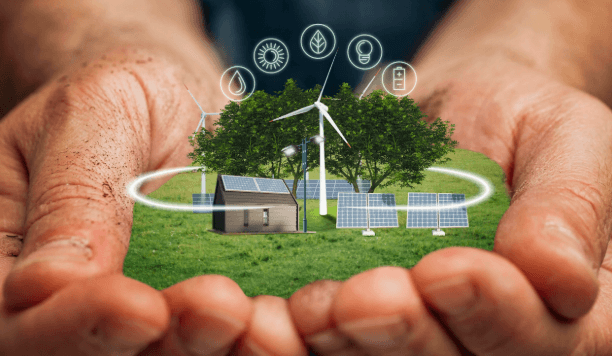
Technology accelerates environmental sustainability by enabling precise resource use, predictive management, and scalable solutions across sectors. Digital tools reveal patterns, optimize consumption, and cut waste, while green finance channels investment toward low-carbon projects. Carbon dashboards translate emissions data into actionable insights for decarbonization and policy alignment, balancing economic activity with stewardship. Forward-looking evidence points to resilient energy, mobility, and material systems, inviting careful consideration of trade-offs as stakeholders pursue transparent, data-driven progress. The question is where these paths will best converge.
How Technology Accelerates Environmental Sustainability
Technology accelerates environmental sustainability by enabling more efficient resource use, predictive management, and scalable solutions across sectors. The analysis highlights how digital tools reveal patterns, optimize use, and reduce waste. Green finance channels investment toward low-carbon projects, while carbon dashboards translate emissions data into actionable insight. Forward-looking evidence supports sectoral decarbonization, policy alignment, and voluntary corporate responsibility without sacrificing economic freedom.
Smart Systems for Energy, Mobility, and Resources
Smart systems for energy, mobility, and resources integrate sensing, analytics, and automation to optimize how inputs are produced, distributed, and consumed. They enable energy efficiency and urban electrification through data-driven decisions, measuring resilience and cost trade-offs. Technology accelerates environmental sustainability by revealing pragmatic pathways to scalable, responsible innovation while acknowledging practical trade offs and ethical considerations for freedom-loving audiences.
Practical Trade-Offs and Ethical Considerations
Analyses emphasize data ethics, transparency, and accountability while highlighting resource lifecycle impacts across production, use, and end-of-life stages.
Forward-looking assessments weigh performance against equity, resilience, and global stewardship, urging disciplined governance, ongoing auditing, and stakeholder-inclusive decision-making for sustainable innovation.
Pathways to Scalable, Responsible Innovation
Ever-growing demand for sustainable impact invites a deliberate, multi-layered approach to scaling responsible innovation across sectors. This pathway emphasizes data governance, open source collaboration, and ethics governance to ensure accountability and transparency. User centric design aligns solutions with real needs, while measurable metrics track progress. A forward-looking framework integrates risk assessment, scalable governance, and continuous learning to enable responsible, scalable deployment.
See also: Technical SEO Automation: The Future of Scalable Optimization
Frequently Asked Questions
How Do Developing Regions Benefit From Tech-Driven Sustainability?
Developing regions benefit from tech-driven sustainability through scalable solutions, improved productivity, and resilience. Innovative financing unlocks capital for projects, while rural electrification expands access, enabling education and entrepreneurship and shaping evidence-based, forward-looking growth for broader freedom and opportunity.
What Are the Hidden Costs of Green Technologies?
The hidden costs of green technologies emerge through lifecycle analysis, revealing supply-chain exposure, recycling challenges, and energy-intense manufacture. Analysts emphasize cautious deployment, forward-looking risk assessment, and transparent reporting to empower informed, freedom-oriented, evidence-based decision-making.
Can Tech Solve Ecological Limits Without Behavior Change?
Tech adoption alone cannot fully resolve ecological limits; without a behavior shift, gains stall, and rebound effects emerge. Evidence suggests tech progress pairs with policy and culture changes, sustaining benefits; anonymous observers note deliberate, freedom-centered pathways shape enduring outcomes.
How Do We Measure Long-Term Environmental Impact?
Long-term environmental impact is assessed through robust monitoring, balancing measuring uncertainty with trend analysis. Analysts emphasize transparent methodologies, credible indicators, and forward-looking projections, aligning policy aims with adaptive management while preserving freedom to innovate and adjust strategies.
Who Ensures Accountability in Ai-Powered Sustainability Solutions?
Like Icarus warned by the wind, accountability rests with accountability frameworks and governance mechanisms; institutions, auditors, and independent researchers ensure AI-powered sustainability solutions are scrutinized, transparent, and improvable, guiding responsible deployment toward verifiable, future-forward outcomes.
Conclusion
Technology acts as a force multiplier for environmental stewardship, translating data into concrete action across energy, mobility, and resources. With smart systems, dashboards, and green finance unlocking scalable solutions, decarbonization becomes measurable and adaptable. An anecdote: a city reduced peak electricity demand by 12% after deploying a real-time demand-response platform, illustrating how information can bend consumption toward sustainability. Moving forward, evidence-based, ethical innovation is essential to balance growth with planetary boundaries.